Indoor air quality is not a luxury. In older colonial homes and newer condos alike, the air we breathe affects sleep, productivity, allergy symptoms, and long-term respiratory health. For Lexington homeowners, seasonal swings, humid summers, and tightly sealed houses create distinct challenges. An experienced HVAC contractor turns vague worries about "bad air" into a prioritized plan that reduces dust, humidity, odors, and the invisible irritants that aggravate asthma and allergies.
Below I describe practical steps an HVAC contractor uses to diagnose, prioritize, and fix air quality problems in Lexington homes. The guidance comes from hands-on field experience: filter runs left unchecked, ducts sealed improperly, and homeowners surprised by how much improvement comes from a single, well-executed upgrade.
Why air quality matters in Lexington
The New England climate concentrates certain problems. Summer humidity encourages mold growth in attics, crawlspaces, and ductwork if moisture control is weak. Winter heating brings dry indoor air that stirs up dust and exacerbates nasal congestion, so people crank humidifiers, sometimes to excess. Many houses have weatherization upgrades that reduce drafts, which https://manuelaqes047.timeforchangecounselling.com/how-an-hvac-contractor-can-improve-indoor-air-quality-in-lexington is good for energy bills but often reduces ventilation to the point where volatile organic compounds offgassing from new paint or furnishings hang around.
Poor air quality shows up as frequent sneezing, lingering odors, uneven temperatures, and a persistent film of dust on furniture. Those symptoms often respond quickly to HVAC-focused fixes, which makes an HVAC contractor one of the most effective professionals to call when indoor air feels off.
How a contractor begins: diagnose, quantify, prioritize
A systematic approach separates guesswork from effective action. First, a contractor inspects visible systems: the furnace or air handler, condition of registers, attic and crawlspace access, and the outdoor condenser if present. They check filter type and replacement history, the state of return vents, and whether bathroom and kitchen exhaust fans vent outdoors or into an attic.

Next come targeted tests and measurements. A quality contractor will use a digital manometer to measure static pressure in the duct system, a hygrometer to record relative humidity in multiple rooms at different times of day, and sometimes a particle counter to read PM2.5 levels. These numbers matter because they help decide where to invest effort. For example, a living room with 60 percent relative humidity during summer points toward dehumidification, while low air exchange rates suggest the need for mechanical ventilation.
An example: I once fielded a call from a family in Lexington complaining about musty basement smells and worsening allergies. Visual inspection found a damp sump pump pit and a leaky return register in the basement. Measurements showed the basement routinely sat at 70 percent relative humidity in July and remained above 50 percent into early fall. A targeted set of fixes — sealing the return duct, installing a small dehumidifier sized at 30 pints per day for the basement, and directing the bathroom exhaust fan to the exterior — dropped the basement humidity to 45 percent and reduced odor complaints within a week.
Air filtration: more than just MERV numbers
Choosing the right air filter requires balancing filtration efficiency against system limitations. Higher MERV ratings trap smaller particles, but many residential air handlers cannot tolerate the increased airflow resistance from very high MERV filters without a reduction in airflow that can shorten equipment life and reduce comfort.
A pragmatic contractor evaluates the furnace fan capability and ductwork before recommending filter upgrades. Many systems work well with MERV 8 or 11 filters; in homes with allergy sufferers, MERV 13 is desirable but often requires upgrading the blower motor to a variable-speed, high-efficiency model or replacing the filter grille and housing to handle the pressure drop.
Practical example: a Lexington homeowner replaced a cheap fiberglass filter monthly but still found dust settling. We swapped to a MERV 11 pleated filter and replaced a poorly sized filter grille; the blower maintained adequate airflow and dust in living areas dropped by about half. For households with severe allergies, I sometimes recommend supplemental portable HEPA air purifiers in bedrooms while planning longer-term system upgrades.
Whole-house air purifiers and UV lights have roles, but they are not cure-alls. Electronic air cleaners require maintenance and careful installation. Ultraviolet germicidal lights can reduce biological growth on coils when installed correctly, but they will not remove dust or allergens. The contractor explains these trade-offs, often combining a modest filter upgrade with targeted purifiers in high-use rooms and UV at the coil when there is evidence of microbial growth.
Ductwork: sealing and balancing for healthier air
Leaky or unbalanced ducts are a hidden source of poor air quality and energy waste. In many homes, return ducts draw air from basements, crawlspaces, or closets, pulling dust and moisture into the system. Supply ducts that leak in unconditioned attics deposit heated or cooled air where it is wasted. Sealing ducts and balancing airflow improve both comfort and air quality.
A thorough duct service includes locating leaks with smoke testing or pressure diagnostics, sealing joints with mastic rather than tape, insulating ducts that run through unconditioned spaces, and adding return paths where necessary so rooms receive adequate make-up air. After sealing, a technician measures room-to-room airflow and adjusts dampers to eliminate hot or cold spots.
Concrete numbers help: sealing duct leaks can reduce energy loss by 20 to 30 percent in some homes, and it prevents unfiltered air from entering the living space. Many Lexington houses built in the 1970s and 1980s show measurable duct leakage when we perform a residential blower door or duct blaster test.
Ventilation: choosing the right fresh air strategy
Tightly built homes require controlled ventilation to dilute indoor pollutants. The simplest option is to ensure exhaust fans in bathrooms and kitchens vent to the outside and run them when needed. In more airtight houses, mechanical ventilation provides consistent, measurable air exchange.
Heat recovery ventilators and energy recovery ventilators exchange stale indoor air for outdoor air while retaining heat in winter or coolness in summer, improving air quality with minimal comfort penalty. For households concerned about outdoor pollen during spring, a contractor might program ventilation to run at lower rates during peak pollen hours and boost filtration when bringing in outside air.
Ventilation must be sized and controlled. Oversizing ventilation increases energy use and can worsen comfort. A knowledgeable contractor calculates ventilation rates per ASHRAE 62.2 guidelines and recommends controls that allow homeowners to increase ventilation during cleaning, cooking, or when the house is occupied by many people.
Humidity control: avoid extremes
Relative humidity between 40 and 50 percent is generally comfortable and discourages dust mites and mold growth. In Lexington winters, indoor humidity can drop below 20 percent; in summer, it can rise above 60 percent without proper dehumidification.
A contractor evaluates whole-house humidification when humidity is chronically too low, recommending steam or bypass humidifiers sized to the home and integrating them with the control system to avoid over-humidification. For high humidity, options include whole-house dehumidifiers paired with the central HVAC system, or improvements to the air conditioner sizing and coil performance. Sometimes the best fix is addressing the source of moisture, such as a leaking basement, poor grading around the foundation, or venting that deposits moist air into the attic.
I once installed a ducted dehumidifier for a 2,400 square foot home whose basement laundry area was a moisture source. The dehumidifier removed about 30 pints per day during peak summer, bringing basement humidity from 68 percent to 48 percent and stopping recurring mold stains along the rim joist.
Local services and emergency response
When an AC unit fails in August, indoor air quality and comfort both suffer. For urgent needs, homeowners often search for "Emergency AC repair near me." An HVAC contractor with local presence responds quickly and performs triage: restore safe operation, clear condensate backups that can foster bacterial growth, and advise on temporary measures such as portable dehumidifiers or air purifiers until a permanent fix is scheduled.
If the diagnosis shows the system is beyond economical repair, the contractor will provide options for AC installation in Lexington that include not just a properly sized condenser and air handler, but duct improvements, upgraded filtration, and integrated controls to maintain indoor air quality. Selecting a contractor who offers both emergency repair and planned installation reduces finger-pointing and ensures continuity.
Maintenance: the single most cost-effective measure
Routine AC maintenance is where most homeowners get the biggest return for the smallest investment. Annual or bi-annual tune-ups keep coils clean, check refrigerant charge, verify airflow, and prevent condensate pan clogs. Clean evaporator and condenser coils and proper refrigerant charge keep the system drying air as designed, which reduces mold and microbial growth in the system.
I recommend at minimum an annual preventive maintenance visit for cooling systems and a yearly heating tune-up in the shoulder months. An HVAC maintenance plan often includes filter reminders, priority scheduling for emergency calls, and discounts on repairs. Over a decade, regular maintenance can extend equipment life by several years and keep indoor air quality at a higher baseline.
How to choose the right contractor in Lexington
Not all HVAC contractors approach indoor air quality with the same emphasis. Look for contractors who assess the whole house and use measurements rather than guesswork. Ask whether the company performs duct leakage testing, provides humidity and particulate diagnostics, and whether they are willing to show before-and-after numbers. A reliable contractor will explain trade-offs: for example, that a MERV 13 upgrade may require blower or cabinet modifications, or that an ERV provides energy savings in cold months while a HRV performs better if summer humidity is the primary problem.
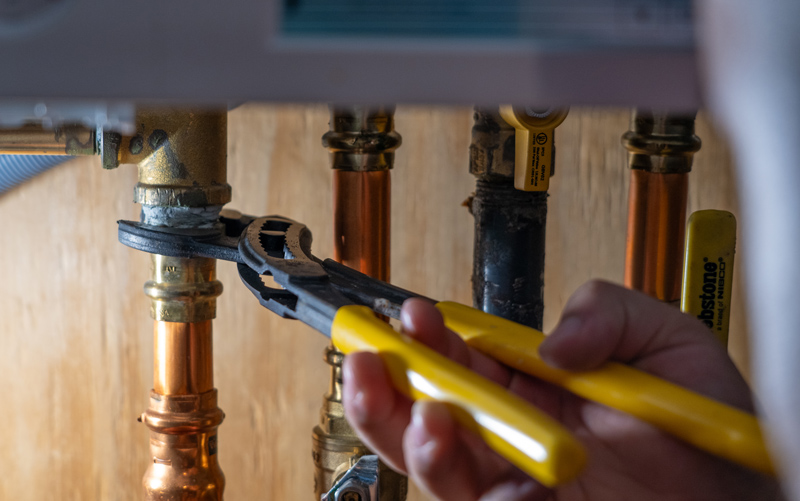
If you see the name Green Energy AC Heating & Plumbing Repair in Lexington, evaluate them like any other option: check license and insurance, ask for references, and confirm they provide written diagnostics and clear options, not high-pressure sales of every gadget available. Good contractors tailor solutions, prioritize low-cost fixes first, and explain why more invasive work is necessary when it is recommended.
Simple changes you can expect and their timelines
Small interventions often yield the fastest results. Replacing a disposable pleated filter and running bathroom exhaust fans correctly can yield noticeable improvement in days. Sealing a leaky return or adding a vent to balance airflow takes a few hours and can immediately reduce dust and odors. Installing a whole-house dehumidifier or an HRV typically requires a day or two of work and shows measurable benefits within a week.
Larger projects, such as replacing an aging AC system or upgrading ductwork, take longer but provide long-term control of air quality and energy use. When replacements are planned, insist on proper sizing using Manual J load calculations and duct design using Manual D principles. Undersized or oversized equipment will fight with humidity control and reduce indoor air quality, even if the new unit looks modern and efficient on paper.
Cost considerations and value
Upfront costs vary. A basic filter and tune-up can cost under a few hundred dollars. Duct sealing and balancing might run from several hundred to a few thousand dollars depending on access and square footage. Whole-house dehumidifiers, HRVs, or ERVs typically fall into the one- to three-thousand dollar range installed. Replacing an AC system with a properly sized, high-efficiency unit plus duct repairs can move into the mid four-figure range or higher.
Think of these expenses as investments in health and durability. For households with allergy or asthma sufferers, targeted upgrades can reduce medication use and missed school or work days. For older houses, sealing and ventilation changes protect the structure by reducing mold and moisture-related damage.
Common pitfalls and how technicians avoid them
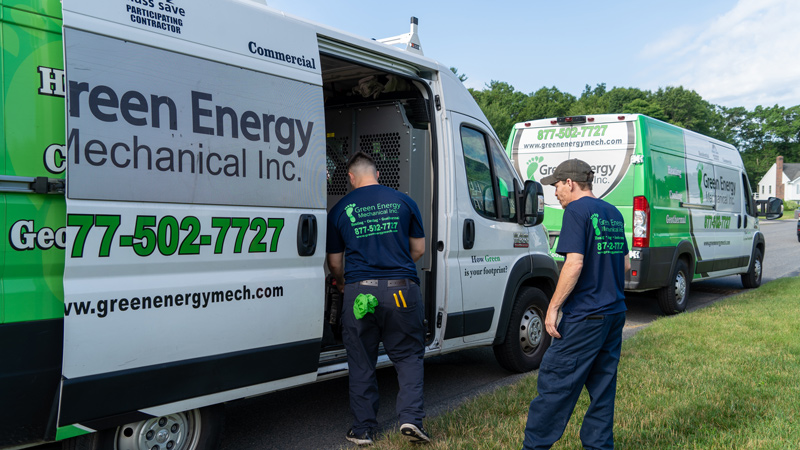
A few recurring issues come up during fieldwork. Technicians sometimes find that homeowners have installed high-MERV filters without evaluating blower performance, causing low airflow and frustrated comfort complaints. Others find bath fans venting into attics, which is a simple fix but one that many DIY approaches miss. A contractor experienced with Lexington climates will carry the right tools, take measurements, and give clear, prioritized recommendations rather than a long list of costly, simultaneous upgrades.
Expect honest assessments. If a single return in a basement is the cause of system contamination, the contractor should fix that before recommending expensive whole-house electronics. If the duct system is too degraded for efficient sealing, a staged plan with interim solutions maintains indoor air quality while budgeting for replacement.
Final note on homeowner involvement
Improving indoor air quality is a team effort. Contractors bring measurement, access, and technical skill. Homeowners control behaviors that affect air quality: timely filter changes, ventilation habits during cooking and showering, and keeping outdoor pollutants out by installing good mats and changing HVAC filters after construction or remodeling.
If you are searching for "AC repair in Lexington MA" or "AC installation in Lexington," prioritize contractors who discuss indoor air quality as part of the job. Ask for specifics: the targeted MERV rating proposed, expected reduction in humidity, diagnostics they will run, and what short-term measures you should take. When emergencies occur, a contractor advertising "Emergency AC repair near me" should be able to restore safe operation quickly and present a clear plan to prevent future failures.
An experienced HVAC contractor can turn poor indoor air quality into predictable improvements: cleaner air, fewer allergy days, and a home that feels like a healthy place to live. Teams like Green Energy AC Heating & Plumbing Repair and other competent local contractors bring both the tools and the judgment needed to prioritize fixes that matter most for your household. Choose a contractor who measures, explains, and stages work logically, and you will see real change in weeks rather than months.
Green Energy AC Heating & Plumbing Repair
76 Bedford St STE 12, Lexington, MA 02420
+1 (781) 630-7573
[email protected]
Website: https://greenenergymech.com